Category: Inspections- Roofing, Storm, Construction Inventory

Inspections- Roofing, Storm, Construction Inventory

  • Why Coastal Properties in SWFL Benefit Most from Drone Inspections​

    Why Coastal Properties in SWFL Benefit Most from Drone Inspections​

    Coastal homes in Southwest Florida live in a harsher environment than most people realize, and the damage starts earlier and more subtly than you can see from the driveway. Drone inspections give you a safe, detailed way to monitor hidden wear before it leads to leaks, major repairs, or insurance surprises.

    Coastal Reality in SWFL

    Along the SWFL coast from Naples north, homes sit in a constant mix of salt‑laden air, strong sea breezes, summer thunderstorms, and repeated tropical systems. Roofs and exteriors also take year‑round, nearly vertical sun and intense UV. Compared to inland properties, this combination accelerates wear on shingles, tiles, metal roofs, fasteners, sealants, stucco, and paint.

    What makes coastal degradation tricky is that it is initially faster and more subtle. A roof can look “fine” from the street while fasteners rust, coatings chalk, and tiles start to crack up high near ridges and edges. Aerial inspections are uniquely valuable here because they let you routinely see the areas that age first, in enough detail to catch problems early. Salt Air: Corrosion and Hidden Damage

    Salt air and salt spray are relentless around the coast. Fine salt particles land on:

    • Metal roofs and trim
    • Fasteners and flashing
    • Drip edges, gutters, and railings
    • Rooftop HVAC units, vents, and solar mounts

    Over time, that salt attracts moisture and accelerates corrosion. Rust often starts in tucked‑away spots: behind parapets, under overhanging tiles, along eaves, in roof‑to‑wall transitions, or on the backside of metal edges—places you can’t see well from the ground or even from a single ladder position.

    A drone can hover right where the damage starts. High‑resolution, close‑up images reveal:

    • Early rust blooms on fasteners and flashing
    • Oxidation and bare spots where metal coatings are failing
    • Rust trails running down from compromised screws or brackets

    For HOAs and property managers, consistent drone flights across multiple buildings make it easy to spot patterns, such as one elevation receiving more salt spray due to prevailing winds, and to plan targeted maintenance rather than waiting for leaks.

    Wind Exposure: Uplift, Loose Components, and Storm Readiness

    On the SWFL coast, steady sea breezes are just the baseline. Add in daily summer thunderstorms, occasional strong cold fronts, and the real risk of tropical storms and hurricanes, and your roof sees repeated wind loading year after year.

    That repeated loading gradually:

    • Loosens shingles or tiles
    • Lifts edges and flashing
    • Displaces ridge caps, soffits, and fascia components

    From the street, the home may look perfectly normal. From above, you can see shingle tabs not lying flat, tiles slightly out of alignment, or flashing that has just started to lift.

    Drones are ideal because they:

    • Detect subtle uplift or displacement you’d never notice from ground level
    • Scan entire roof fields quickly after a wind event to find new issues before the next storm
    • Document pre‑storm conditions so you have clear “before” evidence if you ever need to file a claim

    For example, after a strong wind event in a coastal community, a drone survey of several streets showed lifted shingle leading edges on multiple roofs that appeared fine from the driveway. Those owners could re‑secure or repair before the next storm turned “minor uplift” into missing shingles and water intrusion.
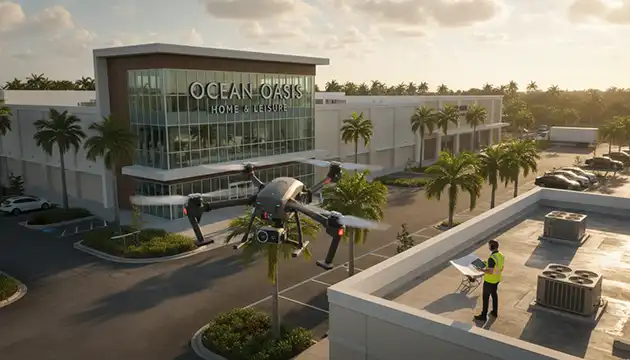
    drone inspection retail business

    Roof Materials in Coastal SWFL: Why Aerial Detail Matters

    Coastal SWFL uses a mix of roof types, and each reacts differently to salt, wind, and sun.

    • Concrete/clay tile
      Tiles can develop cracked corners, slipped pieces, and broken ridge caps. Strong winds and foot traffic can expose the underlayment, especially near ridges and hips. From above, a drone clearly shows patterns of broken tiles and any areas where underlayment is visible.
    • Metal standing seam or 5V
      These roofs resist wind very well but are vulnerable to coating failure and fastener corrosion in salt air. Fasteners can rust, seams can open, and panels can loosen over time. Aerial oblique views reveal rust streaks, loose screws, lifted seams, and failing sealant along ridges and edges.
    • Architectural shingles
      Shingles suffer from granule loss due to UV and wind, lifted tabs, and nail pops. Early granule loss can be seen as lighter, smoother patches from above, long before you’d notice it looking up from the yard. Drones capture the overall pattern so you can distinguish normal aging from unusually fast wear in specific zones.
    • Flat roofs (TPO, modified bitumen, etc.)
      Common on condos and commercial buildings, these roofs can develop ponding water, seam failure, and blistering. From above, drones easily capture ponding patterns, wrinkled seams, and soft, blistered areas that are nearly impossible to see from the ground.

    Top‑down and angled drone views reveal not just isolated defects, but patterns: repeated broken tiles near ridges facing the gulf, rust trails in one corner, or consistent ponding near certain drains. That makes it easier to distinguish normal aging from early failure that needs attention now.

    Intense Sun and UV: Accelerated Aging from Above

    SWFL’s sun is brutal on building materials. Intense UV exposure:

    • Breaks down shingles, sealants, and coatings faster than in cooler, cloudier regions
    • Causes chalking and fading on metal and flat roof membranes
    • Makes plastics and sealants brittle and more prone to cracking

    Drone inspections shine here because you can fly the same property on a consistent path year after year. When you compare images over time, you can actually see:

    • Shingles losing granules and darkening or lightening in specific areas
    • Metal roof coatings are shifting from glossy to chalky, with bare spots starting to appear
    • Flat roof membranes going from smooth to crazed, blistered, or discolored

    By spotting these changes early, owners can re‑coat, seal, or repair before UV damage turns into leaks. Periodic aerial “health checks” are a practical way to stay ahead of Florida’s accelerated aging curve.

    Safety and Access on Coastal Properties

    Many coastal roofs are simply not convenient—or safe—for frequent ladder inspections:

    • Steep pitches and complex designs
    • Multi‑story homes perched near seawalls or canals
    • Tight side yards, dense landscaping, and pool cages blocking ladder placement

    For older residents, property managers, and out‑of‑area owners, the last thing you want is multiple trades climbing all over a fragile tile or metal roof just to “take a look.”

    Drones reduce that risk dramatically. A single flight can:

    • Cover all roof slopes, ridges, valleys, and gutters without anyone leaving the ground
    • Inspect upper elevations, chimney areas, stucco cracks, and soffit conditions without dragging a ladder through landscaping
    • Provide clear visuals for contractors so they only climb when there is a specific, necessary task

    You get better information with less wear and tear on the structure and far less liability.
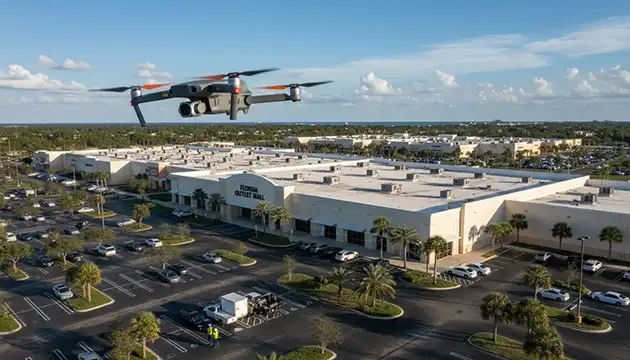
    drone inspection retail business florida

    Documentation for Insurance, HOA, and Resale

    Coastal properties often have higher premiums and stricter underwriting because insurers know the risks. Clear, dated imagery from above is a powerful tool for:

    • Insurance
      • Providing baseline documentation for applications and renewals
      • Showing “before” and “after” conditions around storms, making claims smoother and more credible
    • HOAs and condo boards
      • Planning reserves and maintenance by seeing which buildings or elevations are aging fastest
      • Scheduling proactive roof work instead of reacting to emergency leaks
    • Resale
      • Sellers can demonstrate that roofs and exteriors have been monitored and maintained, with reports to show it
      • Buyers can spot potential issues—cracked tiles, corrosion, ponding, or patched areas—before making decisions

    This kind of documentation makes coastal ownership more predictable and less stressful.

    How Often Should Coastal Properties Be Inspected by Drone

    A practical schedule for SWFL coastal properties looks like this:

    • Annually, for general conditions, even in “quiet” weather years
    • After significant wind or hail events, especially if nearby homes show visible damage
    • Before and after major hurricane seasons, for high‑value or heavily exposed properties
    • Before and after major projects, like solar installations or re‑roofing, to verify conditions and workmanship

    A regular drone inspection routine:

    • Catches issues when they are small and inexpensive
    • Extends roof life by guiding timely maintenance and coatings
    • Reduces surprise repair bills that are common in harsh coastal environments

    You’re effectively creating a visual maintenance log for the roof’s lifetime.

    What Makes a Coastal Drone Inspection “Professional”

    Not all drone flights are equal. For SWFL coastal properties, a professional inspection should include:

    • A Part 107 licensed pilot with specific coastal and roofing experience
    • Complete coverage of all slopes, ridges, hips, valleys, and transitions
    • Close‑ups of corrosion‑prone areas: metal edges, fasteners, flashing, rooftop equipment, solar mounts, and railings
    • Clear image labeling: front/rear/left/right elevations, or compass directions, so anyone can orient quickly
    • A short, plain‑language summary that highlights findings specifically related to:
      • Salt air (corrosion, oxidation)
      • Wind exposure (uplift, loose components)
      • Roof materials (tile, metal, shingle, flat issues)
      • Sun/UV (chalking, fading, cracking, coating breakdown)

    The goal is not just pretty aerial photos. It’s actionable information that owners, managers, and contractors can use to prioritize maintenance and protect the property.
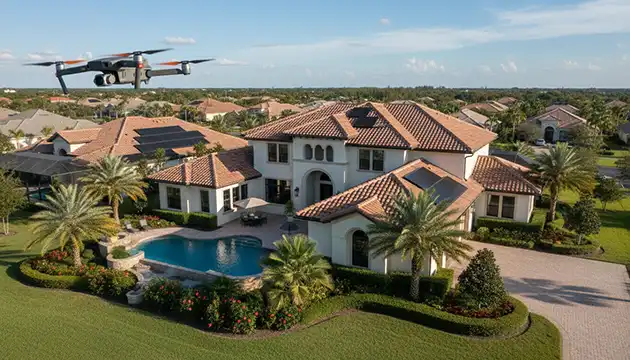
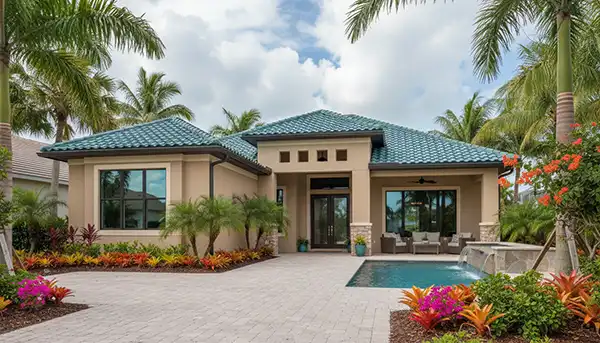
    drone inspection landscaped residential home

    Conclusion: Why Coastal SWFL Is the “Sweet Spot” for Drone Inspections

    Coastal Southwest Florida combines salt air, frequent wind, specialized roof materials, and intense sun in a way that makes roofs and exteriors age faster—and more subtly—than most people expect. The earliest damage occurs where you can’t easily or safely see it, but a drone can.

    Drone inspections provide safer, faster, and more detailed insight into how those forces affect your home or portfolio. For coastal property owners, building drone inspections into your routine is a smart way to protect a high‑value asset and avoid nasty surprises.

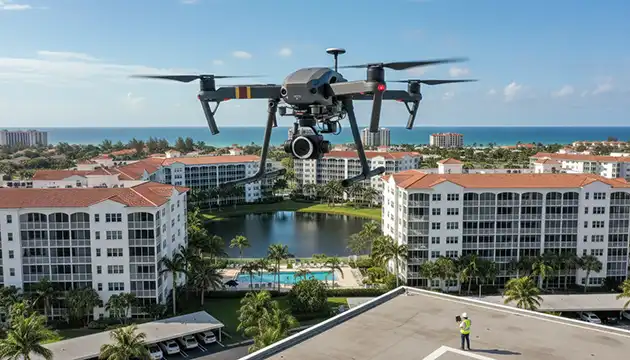
  • What South West Florida HOAs Should Know About Drone Inspections​

    What South West Florida HOAs Should Know About Drone Inspections​

    Southwest Florida HOAs oversee millions of dollars’ worth of roofs and buildings in one of the toughest climates in the country. Drone inspections give boards and managers a safer, faster way to actually see what they’re responsible for, so they can manage risk, reserves, and vendors with their eyes open.

    Why Drone Inspections Matter for SWFL HOAs

    Coastal and near‑coastal SWFL communities live with salt air, intense sun, frequent thunderstorms, and recurring tropical systems. That combination accelerates wear on tile, metal, shingles, flat membranes, sealants, stucco, and paint compared to similar properties farther inland. For HOAs, the impact is multiplied: you’re responsible for many buildings, multiple roof types, and extensive shared infrastructure, all under one budget and insurance program.

    Unlike a single‑family owner, a board has shared liability, reserve requirements, and constant pressure from rising premiums and stricter underwriting. Drone inspections give boards and managers better information—faster and without sending people onto every roof—so you can make smarter decisions about reserves, repair timing, project scope, and risk.

    Key Benefits for HOAs and Property Managers

    Safety and liability reduction

    Every time a person goes on a roof, your community takes on risk. Steep-sloped tile roofs, multi‑story buildings, and aging structures increase the risk of falls and damage. Drone inspections reduce the number of ladder trips and roof‑walks by capturing detailed visuals from the air. That also reduces the parade of contractors “just taking a look,” which is especially important on fragile tile and metal roofs, where foot traffic can cause damage and lead to disputes.

    Cost control and planning

    Catching issues early is where drones pay for themselves. Aerial inspections can reveal cracked or slipped tiles, corrosion on metal edges and fasteners, ponding water on flat roofs, and failing sealants, long before they lead to interior leaks and emergency calls. With community‑wide imagery, boards and managers can identify which buildings are aging fastest and develop realistic reserve studies and roof-replacement timelines, rather than relying on guesswork.

    Stronger documentation

    Drone flights create community‑wide, date‑stamped imagery of roofs and exteriors. That gives you:

    • Visual proof for insurers and lenders that you’re actively monitoring and maintaining common elements.
    • A shared factual reference for boards, managers, and vendors when discussing scope and pricing.
    • A historical record you can revisit when questions come up years later.

    For example, one coastal community that implemented annual drone inspections discovered that only certain buildings and elevations had significant tile damage and corrosion. With that evidence, the board was able to justify targeted repairs and phased replacements rather than an expensive, community‑wide re‑roof, thereby preserving reserves and avoiding a large special assessment.

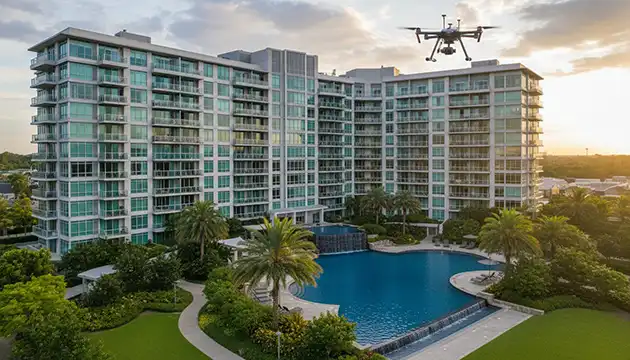
    drone inspection residential condominiums

    What Drones Can (and Can’t) Inspect in an HOA Community

    Where drones excel

    For HOAs and multifamily properties, drones are particularly effective for:

    • Roofs on multifamily buildings, clubhouses, fitness centers, and other common‑area structures
    • Gutters, fascia, soffits, and stucco cracks on upper stories that are hard to reach safely
    • Flat roofs on mid‑rise buildings, where ponding, seams, rooftop equipment, and railings need regular review
    • Pool houses, garages, pergolas, monument signs, solar arrays, and other elevated assets

    They provide a consistent, top‑down, and angled view that you simply can’t get from the ground.

    Clear limitations

    Drones provide visual data only. They do not replace:

    • Engineering evaluations
    • Core cuts on flat roofs
    • Interior leak tracing or moisture mapping

    Some issues will still require on‑roof confirmation or invasive testing, especially for warranty claims, structural questions, or complex water-intrusion cases. Boards should treat drones as an enhanced eyes‑on tool that improves what your roofers, engineers, and reserve specialists can do—not as a magic, one‑stop solution.

    Risk Management, Insurance, and Claims Support

    High‑quality drone imagery is powerful in three risk areas: underwriting, claims, and disputes.

    • Insurance renewals and underwriting
      Clear, recent imagery of all roofs and exteriors shows underwriters that the community’s major components are intact and monitored. That can support better terms and reduce unpleasant surprises during inspections.
    • Post‑storm claims
      If you have “before” imagery on file, a post‑storm drone flight can produce precise “after” visuals. That makes it far easier to demonstrate where damage is new versus pre‑existing and to prioritize which buildings need immediate tarping, repairs, or full replacement.
    • Dispute reduction
      When everyone—board, manager, contractor, and adjuster—is looking at the same clear, time‑stamped images, it’s harder for disagreements over condition or scope to spiral into conflict.

    For storms specifically, drones enable rapid, community‑wide triage. Instead of sending people to each roof with ladders, a drone team can scan multiple buildings in a day, flag serious damage, and help you direct limited contractor resources where they’re needed most.

    Data handling matters too. Boards should ask:

    • How and where images are stored
    • Who has access (board, manager, vendors, insurers)
    • How long data is retained and how it is organized for easy retrieval

    Having an organized digital archive of inspections becomes a real asset when owners, buyers, or insurers start asking hard questions later.

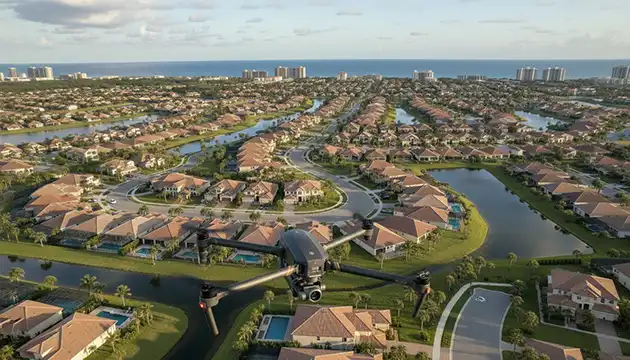
    drone large residential complex

    Compliance and Privacy: What Boards Should Understand

    Legal and operational compliance

    In simple terms, any paid work requires:

    • A licensed remote pilot under FAA Part 107
    • Adherence to airspace rules, altitude limits, and visual line‑of‑sight requirements

    Boards don’t need to be aviation experts, but you should at least confirm that your vendor is properly licensed, insured, and operating under written procedures.

    Privacy expectations in communities

    Residents often worry that drones are “spying.” A professional vendor will have clear policies and practices to avoid that:

    • Focusing capture on roofs and building exteriors, not inside windows, lanais, or courtyards
    • Flying predictable, efficient patterns rather than hovering over occupied areas
    • Responding promptly and professionally if a resident raises a concern

    Best practice for HOAs is to:

    • Notify residents in advance via email, newsletters, and/or signage
    • Explain the purpose: maintenance, safety, and insurance documentation—not surveillance
    • Provide a point of contact for questions

    Clear communication on the front end prevents most complaints on the back end.

    How Often Should an HOA Use Drone Inspections?

    For SWFL, a practical baseline looks like this:

    • Annually: Roof and exterior condition surveys for most communities, more often for older roofs or very exposed sites.
    • After major events: Wind, hail, or tropical storms that likely stressed roofs and exteriors.
    • Before and after large projects: Re‑roofing, solar installations, major HVAC or parapet work, to document pre‑project condition and post‑project workmanship.

    Building drone inspections into your maintenance calendar:

    • Helps avoid surprises that lead to emergency assessments
    • Improves the accuracy of reserve schedules by tying numbers to actual, documented conditions
    • Demonstrates to owners and insurers that the board is proactive, not reactive

    Think of it as adding a scheduled “checkup” for your community’s largest assets.

    Choosing the Right Drone Vendor for Your HOA

    Selecting the right partner is where boards can add significant value. Consider this checklist:

    Credentials

    • Current Part 107 certification
    • Experience specifically with HOAs, condos, or multifamily communities
    • Proof of insurance:
      • General liability
      • Ideally, professional liability/errors & omissions

    Experience and process

    • Familiarity with tile, metal, shingle, and flat roofs is common in SWFL
    • Written safety procedures and standard flight plans
    • Ability to scale:
      • Handling multiple buildings and multi‑day projects without disrupting residents

    Ask how they handle no‑fly days (weather, airspace restrictions) and how they coordinate with your management team.

    Deliverables

    • Clear, labeled photos and/or video:
      • Organized by building, elevation, and date
    • Easy‑to‑read summary reports:
      • Key findings, priority items, and suggested follow‑up (e.g., “monitor,” “repair,” “further evaluation”)
    • Delivery options:
      • Secure online portal, or
      • Structured folders that your management company can store on its own systems

    Always request sample reports from other HOA or condo clients. You’re not buying “flight time”; you’re buying clarity and documentation your board can actually use.

    12 story condominium building

    How Drone Inspections Fit with Engineers, Roofers, and Reserve Studies

    Drone inspections complement your existing professionals:

    • Roofers
      Get better visuals and measurements before they bid, which leads to more accurate proposals and fewer change orders. They can also focus in‑person inspections on areas already flagged as high‑risk, saving time.
    • Engineers
      Use the aerial overview to prioritize where to perform close, hands‑on evaluations. That reduces the amount of walking and exploratory work they have to do.
    • Reserve study specialists
      Benefit from up‑to‑date imagery of all roofs and exteriors, improving the accuracy of life‑cycle estimates without multiple site walks.

    Used together, these tools and experts can reduce total professional fees and prevent “blind” recommendations made from limited ground views or outdated conditions.

    Communicating Drone Programs to Owners and Residents

    Successful programs stand on clear communication. Practical steps:

    • Explain the “why” at meetings and in newsletters:
      • Safety and liability reduction
      • Better cost control and reserve planning
      • Improved insurance readiness
    • Address privacy up front:
      • What will be photographed (roofs and exteriors only)
      • That imagery is for the association’s maintenance and insurance purposes
    • Provide a simple FAQ:
      • When flights will occur and approximately how long they’ll last
      • Whether drones will be flown over common areas only or also over individual buildings
      • Who can access the images (board, manager, select vendors), and how they’re stored

    Transparent communication builds trust and reduces complaints or rumors.

    Why Drone Inspections Are a Smart Strategy for SWFL HOAs

    Southwest Florida HOAs manage high‑value, weather‑exposed assets under increasing pressure from storms, aging infrastructure, and a difficult insurance market. Drone inspections give boards and property managers a safer, more efficient way to see the true condition of their roofs and exteriors across the entire community.

    When you select the right vendor and fold drone inspections into your regular planning, you:

    • Protect reserves by catching issues early and scoping projects correctly
    • Support better bids, repairs, and professional recommendations
    • Strengthen your position with insurers, lenders, and owners by showing you have hard data—not just opinions

    HOAs that embrace professional drone inspections aren’t chasing a tech fad; they’re adopting a more defensible, business‑like way to manage a community’s most expensive assets in a demanding Southwest Florida environment.